The dream of soaring through the skies has captivated the human imagination for centuries. For many children, this dream is first ignited by the simple yet enchanting world of toy aeroplanes. These miniature flying machines do more than just provide entertainment; they can inspire the next generation of pilots, engineers, and innovators. In this article, we will explore how toy aeroplanes spark interest in aviation among children, the educational benefits they offer, and how they contribute to the development of skills that are essential for aspiring pilots.
The Allure of Flight: Why Toy Aeroplanes Capture Children’s Hearts
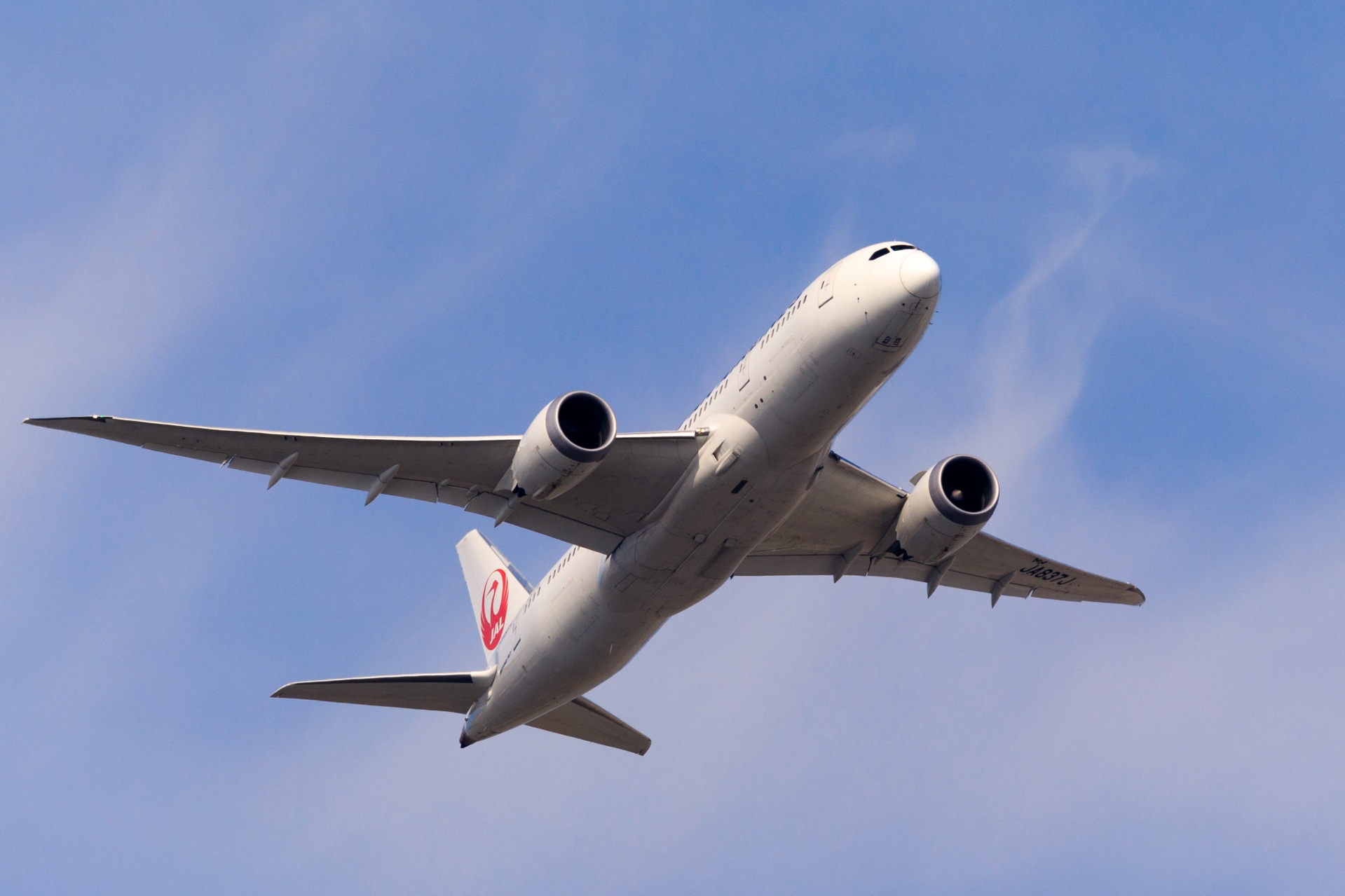
From the moment a child first sees a toy aeroplane, they are often mesmerized. The allure of flight is universal, and toy aeroplanes serve as a tangible representation of this fascination. Here are some reasons why they captivate young minds:
- Imagination and Creativity: Toy aeroplanes encourage imaginative play. Children create entire scenarios around their planes, from air battles to rescue missions, allowing them to explore countless narratives.
- Role Models: Many children look up to pilots and astronauts. Playing with toy aeroplanes allows them to step into the shoes of their heroes, inspiring them to pursue similar career paths.
- Understanding of Technology: As children engage with various types of toy aeroplanes—from simple gliders to remote-controlled models—they begin to grasp basic principles of aerodynamics and engineering.
Educational Benefits of Toy Aeroplanes

Beyond mere entertainment, toy aeroplanes serve as effective educational tools, fostering a variety of skills in children. Here’s a closer look at the educational benefits:
1. STEM Learning Through Play
STEM (Science, Technology, Engineering, and Mathematics) education is critical in today’s world. Toy aeroplanes can be a fun entry point into these subjects:
- Science: Children learn about the principles of flight, including lift, thrust, drag, and gravity.
- Technology: Remote-controlled planes introduce children to basic technology and electronics.
- Engineering: Building model aircraft helps develop engineering skills and an understanding of structural integrity.
- Mathematics: Calculating distances, speeds, and angles during flight can introduce basic math concepts in a practical context.
2. Motor Skills Development
Playing with toy aeroplanes also helps refine motor skills:
- Fine Motor Skills: Assembling and manipulating small parts improves dexterity.
- Hand-Eye Coordination: Launching and controlling toy planes enhances coordination, which is essential for real-world piloting.
3. Problem-Solving and Critical Thinking
When children engage in activities like building or flying toy aeroplanes, they face challenges that require problem-solving:
- Trial and Error: Children learn to experiment with different designs to achieve successful flight.
- Strategic Thinking: Planning flight paths and managing remote-controlled planes hones their strategic abilities.
Case Studies: Real-Life Examples of Inspiration
Various initiatives and stories illustrate how toy aeroplanes can inspire young pilots:
1. The Young Eagles Program
The Experimental Aircraft Association (EAA) runs the Young Eagles program, which has introduced over 2.3 million young people to the world of aviation. Participants often start with toy planes, sparking an interest that leads to real-life flying experiences. Many young pilots credit their first encounter with toy aeroplanes as the catalyst for their passion for aviation.
2. The Story of Amelia Rose Earhart
Amelia Rose Earhart, a pilot and aviation advocate, often shares her childhood experiences with toy aeroplanes. She credits them with igniting her passion for aviation, which later led to her successful career as a pilot and as the founder of the nonprofit organization “The Fly With Amelia Foundation,” aimed at inspiring girls to pursue careers in aviation.
Statistics on Youth Interest in Aviation
Recent statistics further highlight the interest in aviation among the youth:
- A survey conducted by the Aircraft Owners and Pilots Association found that 82% of young people expressed interest in flying.
- The FAA reports a growing number of student pilots, with a 10% increase in the last five years, partially attributed to early exposure through toys and educational programs.
Encouraging Future Aviators: Tips for Parents and Educators

Parents and educators play a vital role in nurturing a child’s interest in aviation. Here are some tips to foster this passion:
- Encourage Play: Provide a variety of toy aeroplanes, from simple models to complex remote-controlled aircraft.
- Visit Aviation Museums: Take children to aviation museums or airshows to see real aircraft and meet pilots.
- Introduce Books and Documentaries: Share stories of aviation pioneers and documentaries about flight to give context to their play.
- Hands-On Projects: Engage children in building model airplanes or flying kites to further explore the principles of flight.
The Lasting Impact of Toy Aeroplanes

The world of toy aeroplanes is a magical gateway to the skies for many children. Through imaginative play, these toys not only entertain but also educate, instilling a passion for flight that can last a lifetime. As we have seen, toy aeroplanes help develop essential skills in science, technology, engineering, and math while fostering creativity and problem-solving abilities. By nurturing this interest at a young age, parents and educators can inspire the next generation of pilots, engineers, and innovators who will one day take to the skies. Ultimately, the magic of toy aeroplanes lies in their power to transform dreams into reality, one child at a time.